Common Artificial Turf Problems In Residential Yards
To fix common artificial turf problems in residential yards, local contractors can efficiently repair issues like tears, uneven surfaces, and worn areas to restore a smooth, attractive lawn.
Homeowners with artificial turf in residential yards often encounter a variety of common problems that can affect the appearance and functionality of their outdoor spaces. Issues such as uneven surfaces, fading colors, and drainage concerns are typical challenges that may arise over time. Understanding these potential problems can help property owners decide when professional repair or maintenance is needed to restore their yard’s aesthetic appeal and usability. Local service providers specializing in artificial turf repair are equipped to address these issues effectively, ensuring that yards remain attractive and functional for years to come.
Exploring solutions for common artificial turf problems is a practical step for property owners looking to maintain their outdoor environment. Whether it’s fixing tears, replacing worn sections, or improving drainage, local contractors have the experience to handle these repairs efficiently. Keeping artificial turf in top condition not only enhances curb appeal but also extends its lifespan. Readers interested in preserving their yard’s beauty and functionality can find valuable assistance through trusted local pros who specialize in artificial turf repair and maintenance services.
- Artificial turf seam repair - homeowners noticing seams coming apart or shifting may need professional repair to restore a smooth, uniform surface, with local contractors specializing in seam reinforcement techniques.
- Artificial turf patching services - areas of damage or uneven wear in residential yards can be addressed by local pros who expertly cut and replace damaged sections for seamless results.
- Artificial turf infill replacement - when infill materials shift or become compacted, local service providers can restore proper drainage and cushioning through targeted infill replenishment.
- Artificial turf stain and discoloration repair - persistent stains or fading in artificial turf may require specialized cleaning or dyeing, with local contractors offering tailored solutions to improve appearance.
- Artificial turf drainage issues repair - poor drainage causing pooling or water buildup can be resolved by local pros who analyze and fix underlying grading or installation problems.
Common artificial turf problems in residential yards often stem from issues related to improper installation, aging, or environmental factors that impact the turf’s appearance and functionality. Homeowners searching for this topic may notice areas where the turf looks uneven, develops bald patches, or shows signs of wear and tear over time. These problems can lead to an unappealing yard, creating the impression of neglect or deterioration. Local contractors specializing in artificial turf repair can assess these issues, identify underlying causes, and recommend solutions that restore the yard’s aesthetic appeal and usability. Addressing common problems early can prevent more extensive damage and help maintain the turf’s lifespan.
Many homeowners associate artificial turf problems with drainage issues or surface irregularities. Poor drainage can cause water to pool on the surface, leading to muddy patches or mold growth that compromise the turf’s integrity. Additionally, uneven installation can result in ripples or wrinkles that make the yard look distorted and can pose safety hazards. These issues are especially common in yards with poor soil preparation or inadequate base layers. Local service providers experienced in turf repair can correct drainage problems, re-level the surface, and ensure proper installation techniques are followed to prevent future complications.
Another common concern involves the appearance of the turf, which can deteriorate due to UV damage, staining, or accumulation of debris. Over time, exposure to sunlight can cause fading or brittleness, while spills and dirt can stain the fibers, making the yard look unkempt. Additionally, pet activity or foot traffic can lead to worn patches or embedded debris that detract from the overall look. Repair specialists can clean, replace, or re-seed affected areas to improve the visual appeal. Regular maintenance and timely repairs help keep the yard looking fresh and inviting, even after years of use.
Certain properties tend to experience specific artificial turf problems based on their location or yard layout. For example, yards shaded by trees may develop moss or mold, while those in areas with high foot traffic might see faster wear and tear. Sloped yards can present drainage challenges, leading to pooling or erosion around the turf edges. Homeowners with pets may encounter issues like digging or staining, which require targeted repairs. Local contractors familiar with these common property-related issues can provide tailored solutions that address the unique needs of each yard, helping homeowners maintain a safe and attractive outdoor space.
Landscape Design Projects - These projects often involve planning and installing various ground covers, including artificial turf, requiring similar skills in site preparation and material selection as artificial turf repair services.
Synthetic Grass Installation - Installing new synthetic grass involves surface preparation and laying techniques comparable to those used in addressing common artificial turf problems in residential yards.
Drainage System Improvements - Upgrading or repairing drainage systems is essential for resolving issues like pooled water or uneven surfaces in artificial turf areas, making these projects related in planning and execution.
Yard Renovation & Landscaping - Comprehensive yard renovations often include replacing or fixing artificial turf, requiring expertise in surface leveling and material matching similar to turf repair tasks.
Soil and Subsurface Preparation - Projects focused on preparing the ground for turf installation or repair involve skills in grading and soil stabilization that are also used in addressing turf problems.
Irrigation System Installation - Proper irrigation setup is crucial for artificial turf health and addressing related issues, linking these projects through planning and system integration skills.
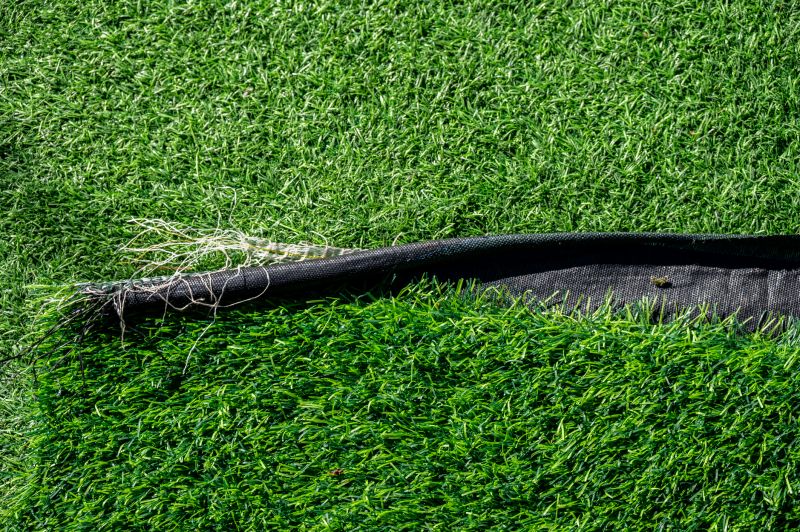
When evaluating service providers for artificial turf repair, it is important to consider their experience with similar projects, particularly those involving common artificial turf problems in residential yards. A contractor who has handled repairs for issues such as uneven surfaces, drainage problems, or turf tears will have a clearer understanding of how to address these specific concerns effectively. Asking about their past work on comparable projects can help ensure they are familiar with the unique challenges that residential artificial turf may present, leading to more reliable and durable repair solutions.
Clear and detailed written expectations are essential when comparing local contractors for artificial turf repair services. A reputable service provider should be able to provide a comprehensive explanation of what the repair process involves, including the scope of work, materials used, and the timeline for completion. This clarity helps homeowners understand what to anticipate and prevents misunderstandings that could impact the quality of the repair. Well-defined expectations also serve as a basis for assessing the professionalism and transparency of each contractor.
Reputable references and strong communication are key factors to consider when choosing a local contractor to handle artificial turf problems. Service providers with positive references from previous clients demonstrate a history of satisfactory work and reliability. Additionally, good communication-such as responsiveness, clarity, and willingness to answer questions-can make the repair process smoother and less stressful. Homeowners should seek out contractors who are transparent, attentive, and willing to discuss options, ensuring that the project proceeds with mutual understanding and confidence in the chosen professional.
Property owners often search for common artificial turf problems in residential yards when they are planning practical projects around their homes and businesses. Local pros provide Artificial Turf Repair services for everyday jobs and straightforward project options.
Many residential yards with artificial turf can experience common problems that affect their appearance and functionality. Over time, issues like uneven surfaces, visible seams, or loose areas may develop due to regular foot traffic, poor installation, or shifting ground. Property owners often search for solutions to restore a smooth, natural look to their turf, which can involve repairs to address these surface irregularities or damaged sections. Local contractors who specialize in artificial turf repair are equipped to handle these everyday challenges, helping homeowners maintain a tidy and attractive yard.
Another frequent concern involves damage caused by weather, pets, or general wear and tear. For example, tears, rips, or bald patches can appear, especially in high-traffic zones or where pets frequently play. Fading or discoloration might also occur, diminishing the aesthetic appeal of the yard. In such cases, property owners tend to look for repair services that can seamlessly patch or replace affected areas. Local service providers experienced in artificial turf repair can assess these problems and provide the necessary fixes to extend the lifespan and visual appeal of the yard’s artificial turf.
What are common issues caused by poor drainage in artificial turf? Poor drainage can lead to water pooling on the surface, which may cause turf to become slippery or develop mold. Local contractors can evaluate drainage problems and perform repairs to improve runoff and prevent damage.
How does uneven installation affect artificial turf in residential yards? Uneven installation can result in ripples, bumps, or loose areas that compromise the appearance and safety of the turf. Experienced service providers can re-level and secure the turf to restore a smooth, even surface.
What causes artificial turf to fade or discolor over time? Exposure to sunlight and weather conditions can cause fading or discoloration of artificial turf. Repair specialists can replace or re-treat affected sections to enhance the turf’s appearance.
Why does artificial turf develop bald spots or areas with worn-out fibers? High foot traffic or concentrated use can lead to bald spots or frayed fibers. Local repair experts can patch or replace damaged sections to improve the overall look and durability.
How can pet damage affect artificial turf in residential yards? Pet urine, digging, or waste can stain, degrade, or create holes in the turf. Service providers can clean, repair, or replace damaged areas to maintain a clean and functional yard.
Identifying uneven surfaces - property owners can work with local contractors to level out areas of uneven artificial turf, preventing tripping hazards and improving appearance.
Addressing pet damage - local pros can help repair or replace sections of turf that have been worn or torn by pets, restoring a smooth, safe surface.
Fixing drainage issues - homeowners can consult with service providers to improve drainage systems that cause water pooling or soggy patches in artificial turf.
Repairing fading or discoloration - property owners can have local contractors refresh or replace faded sections to maintain a vibrant, natural look in their yard.
If you are thinking about common artificial turf problems in residential yards for a property, this guide is meant to help you understand this topic, the typical project types, and how different options might fit your plans.
When you are ready, you can use the quote form on this page to share a few details about your project. From there, local pros can review the basics and follow up with options that match what you have in mind.